
Top 7 Custom Software Development Companies for Cloud-Based Software Projects
Cloud-based software projects are not just about putting an application on AWS, Azure, or Google Cloud. A real cloud project affects architecture, release speed, security, infrastructure costs, performance, and how the product behaves under load. Companies often need cloud-native apps, SaaS platforms, migration work, DevOps setup, and scalable infrastructure to support users across different regions and devices. When the current architecture starts blocking growth or slowing down delivery, custom software development services become more than technical support. They help rebuild the product around scale, stability, and faster software delivery.
The companies below were selected because cloud projects can move in very different directions. Some vendors are better for enterprise cloud migration, while others fit SaaS development, platform engineering, DevOps-heavy builds, or tailored cloud-connected applications. The right choice depends on whether the project needs a full migration, a new SaaS product, a platform rebuild, or a cloud-native application built from scratch. This Top 7 compares companies by the type of cloud-based software work they are most likely to handle well. Here is the short version before the full breakdown:
- Avenga: Cloud-based software work tied to product goals, integrations, migration, and long-term delivery;
- EPAM: Enterprise-scale cloud engineering, DevOps, platform modernization, and complex delivery programs;
- Thoughtworks: Cloud-native engineering, platform thinking, DevOps culture, and technical product strategy;
- Globant: Product-led cloud projects, digital platforms, cloud operations, and experience-driven software;
- Zartis: Modern software delivery, cloud platforms, and engineering support for growth-stage teams;
- Coherent Solutions: Cloud migration, DevOps, and scalable infrastructure work for business systems;
- Orases: Custom cloud-connected software, SaaS products, and workflow-specific application development.
This comparison is not about choosing the biggest vendor by default. It is about matching the company to the cloud problem: migration, SaaS, platform engineering, infrastructure, DevOps, or custom application delivery.
1. Avenga
Avenga is a software engineering company that supports custom development, cloud work, integrations, and long-term product delivery.
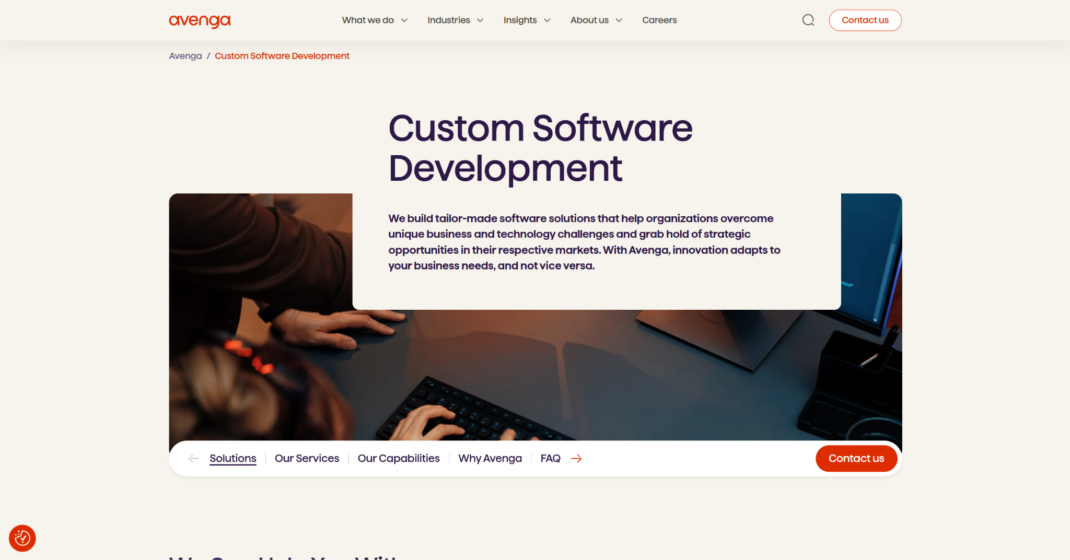
Avenga leads this list because cloud-based projects often need more than infrastructure changes. A company may need to migrate older software, rebuild parts of a platform, connect cloud systems with existing tools, improve release processes, and keep the product stable during the transition. Avenga custom software development services fit projects where cloud decisions have to stay connected with software delivery and product goals. This matters when cloud work affects business applications, internal systems, customer-facing platforms, and long-term product support at the same time. Avenga is a practical choice for companies that need cloud-based software built around real product needs, not only hosting or infrastructure updates.
The company is especially relevant when cloud work has to connect with existing systems. Some businesses need to move old applications into a cloud-ready setup, while others need new platforms built around scalability, integrations, and faster delivery. In both cases, cloud architecture has to support how the software is actually used. Avenga can fit projects where product teams, business operations, and technical infrastructure cannot be treated separately. That makes it useful for companies that want cloud work to improve delivery, reliability, and long-term maintainability.
Avenga should be compared by how well it connects cloud planning with software delivery and future product needs. The strongest areas to look at include:
- Cloud migration for business applications and older systems;
- Custom cloud-based platforms for internal and customer-facing use;
- Integration work between cloud software and existing tools;
- DevOps alignment for release speed and stability;
- Long-term support for cloud-connected software products.
Avenga makes sense when cloud work needs to support real software delivery, not just infrastructure changes. It is strongest when the client wants cloud architecture, integrations, and product support to move in the same direction.
2. EPAM
EPAM is a global engineering company known for enterprise software delivery, platform work, modernization, DevOps, and complex digital programs.
EPAM fits large cloud-based software projects where scale, governance, delivery structure, and technical depth all matter. Enterprise cloud projects often involve more than one application, one team, or one migration path. The company may need to coordinate distributed engineering teams, modernize platforms, improve DevOps pipelines, and manage security or compliance pressure. EPAM is usually a stronger match for large organizations than for small, straightforward cloud builds. Its main value is the ability to handle cloud programs with many technical and organizational layers.
Enterprise cloud work can become messy when workloads, data flows, release pipelines, and security requirements are handled separately. Large companies often need a vendor that can organize delivery across departments, systems, and technical teams. EPAM may be useful when the client has a long cloud roadmap or several platforms moving at the same time. This kind of work needs structure, documentation, engineering depth, and clear coordination. It is less about a quick cloud setup and more about making cloud execution manageable at enterprise scale.
EPAM should be assessed by how well it handles large cloud programs with several moving parts. It may fit projects such as:
- Enterprise cloud engineering programs;
- Platform modernization for large organizations;
- DevOps and CI/CD delivery work;
- Coordination across distributed engineering teams;
- Cloud work tied to security, data, and governance needs.
EPAM is best suited for large, multi-team cloud projects where the delivery structure is as important as technical execution. It is a better fit for complex cloud roadmaps than for narrow application builds.
3. Thoughtworks
Thoughtworks is a technology consultancy focused on software engineering, platform thinking, cloud-native delivery, and technical strategy.
Thoughtworks is relevant for cloud-based projects where architecture choices and engineering practices matter from the beginning. Some companies do not only need more engineers to build cloud software. They need help deciding how the product should be built, released, monitored, and maintained over time. Thoughtworks is a good option when cloud-native development, platform engineering, DevOps practices, and technical strategy are central to the project. Its strongest angle is not raw delivery volume, but better engineering decisions.
Cloud-native software can become expensive and hard to manage when early architecture choices are weak. Microservices, observability, internal developer platforms, release flow, and team practices all need attention before the system grows too large. Thoughtworks may fit companies that want to improve how their teams build, ship, and operate cloud systems. This is especially useful when the business wants a better development model, not only a finished application. The company works best when cloud engineering quality matters as much as delivery speed.
Thoughtworks should be compared by how well it can improve cloud engineering decisions and delivery habits. It may fit these needs:
- Cloud-native application architecture;
- Platform engineering and internal developer tools;
- DevOps practices for cloud software teams;
- Technical strategy for complex cloud products;
- Engineering guidance for teams building modern platforms.
Thoughtworks makes sense when the client needs stronger cloud engineering practices, not just more developers. It is a good fit for companies that want cloud software built on better technical habits from the start.
4. Globant
Globant is a digital engineering company that works across product development, cloud operations, digital platforms, and customer-facing software.
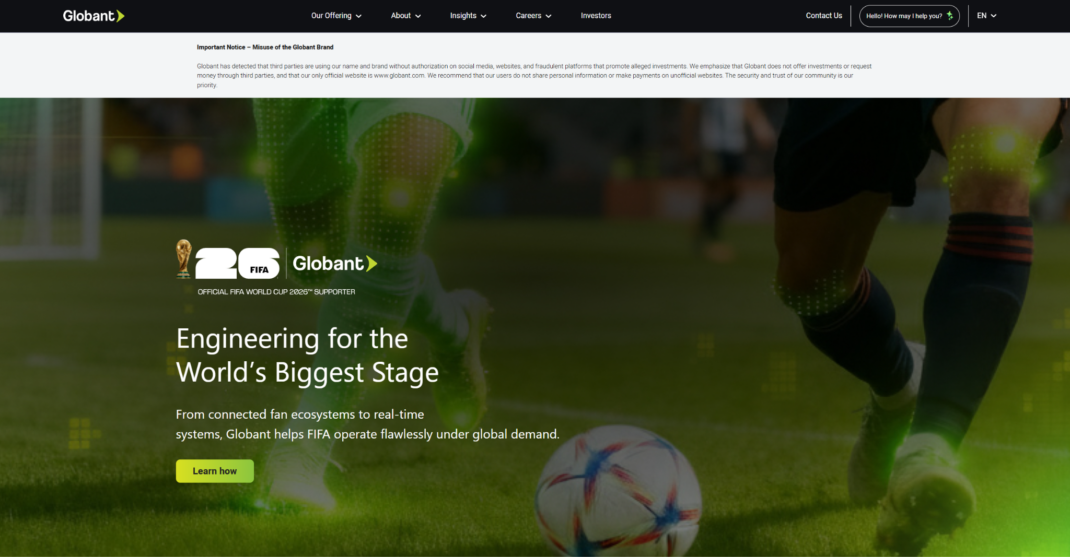
Globant fits cloud-based software projects where product experience, digital platforms, and cloud operations need to work together. Some cloud projects are not only infrastructure projects because they also shape how users interact with the product. Businesses may need SaaS platforms, customer-facing applications, digital ecosystems, or cloud operations that support product growth. Globant’s angle is more product-focused than purely infrastructure-focused. That makes it relevant when cloud software has to support both business operations and user experience.
A customer-facing cloud product needs more than a scalable backend. It also needs strong user journeys, reliable performance, connected digital services, and room for future product growth. Globant may be useful when the client wants cloud-based software that connects technical delivery with product design and digital experience. This can matter for companies building platforms, portals, SaaS tools, or multi-service digital products. The company is a better match when cloud work has a clear product and customer layer.
Globant should be assessed by how well it connects cloud software with product experience and platform growth. It may fit projects such as:
- Cloud-based customer-facing platforms;
- SaaS and digital product development;
- Cloud operations connected with product growth;
- Software works around digital ecosystems;
- Product engineering for scalable user experiences.
Globant works best when cloud software has to support both business operations and customer-facing product experience. It is a practical option for companies that want cloud projects to improve the product, not only the infrastructure behind it.
5. Zartis
Zartis is a technology consulting and software engineering company that supports modern software delivery, cloud platforms, and product development teams.
Zartis can be a good choice for cloud-based projects where companies need experienced engineering support without a huge enterprise vendor setup. It may suit growth-stage or mid-sized companies building cloud platforms, backend systems, SaaS products, or product-led software. The company’s angle is practical engineering support around modern software delivery. This makes it different from larger vendors that may be better suited for enterprise programs. Zartis fits projects where a team needs cloud-oriented engineers who can understand product context and help move delivery forward.
Cloud-based software often needs engineers who can work across backend services, integrations, deployment flows, and changing product requirements. Zartis may be useful when the client needs senior engineering input around a cloud product or platform. This kind of work is not only about adding people to a team. It requires engineers who can understand architecture, delivery habits, and product goals at the same time. Zartis works best when the project needs flexible but experienced cloud-focused support.
Zartis should be considered when cloud projects need practical engineering work with product context. It may fit cases such as:
- Cloud platform development for growing software teams;
- Backend engineering for cloud-connected products;
- Product engineering support for SaaS or platform work;
- Integration work across modern software systems;
- Engineering support for teams improving delivery practices.
Zartis is a good fit when the client needs experienced cloud-oriented engineering support without turning the project into a large enterprise program. It works well for companies that want practical execution with enough technical depth to support growth.
6. Coherent Solutions
Coherent Solutions is a digital engineering and software development company with work across cloud, DevOps, custom platforms, and enterprise systems.
Coherent Solutions fits cloud-based projects where infrastructure, DevOps, and custom software need to move together. Many cloud projects fail because application development and infrastructure planning are handled like separate workstreams. In reality, deployment pipelines, environments, security basics, monitoring, and scaling needs all affect how the software performs. Coherent Solutions is a practical option for companies that need technical execution around cloud systems rather than only advisory work. Its angle is more infrastructure-heavy than vendors focused mainly on product or user experience.
The company may be useful when the client needs both custom software delivery and cloud operations support. This can include cloud migration, DevOps setup, infrastructure planning, monitoring, and scalable platform work. Coherent Solutions fits projects where the cloud setup has to support business applications with reliable technical foundations. It is not only about moving software to the cloud, but about making sure the system can be deployed, monitored, secured, and scaled properly. That makes it relevant for companies with cloud software that needs stronger operational stability.
Coherent Solutions should be compared by how well it connects software work with cloud and DevOps execution. It may fit these needs:
- Cloud migration and infrastructure planning;
- DevOps works for cloud-based software delivery;
- Custom enterprise platforms with cloud components;
- Monitoring, deployment, and environment setup;
- Scalable infrastructure for business applications.
Coherent Solutions fits projects where cloud software needs strong technical foundations and practical delivery support. It is a good match when infrastructure decisions have a direct effect on how the product runs.
7. Orases
Orases is a custom software development company that builds tailored web, mobile, SaaS, and business applications.
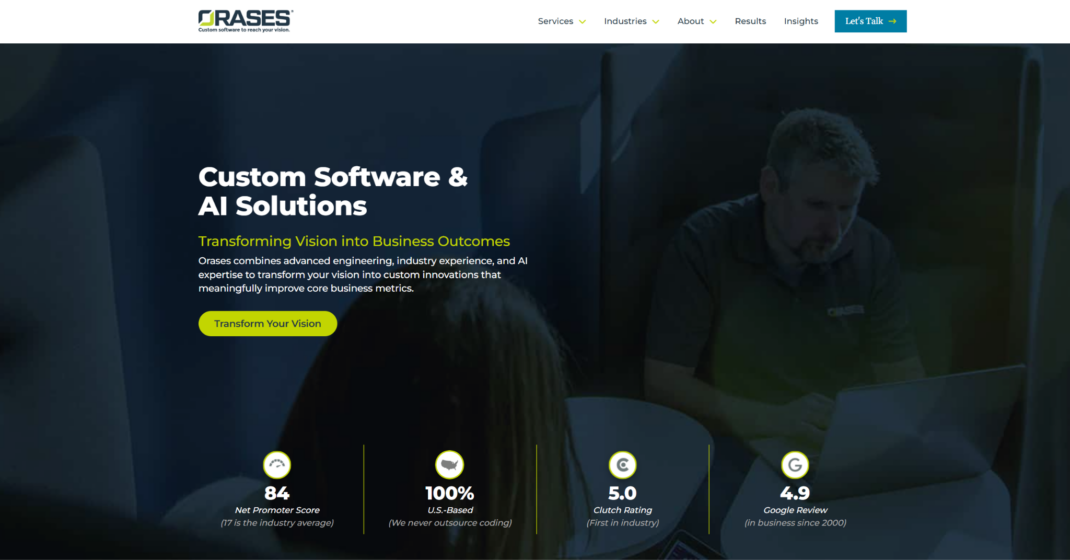
Orases fits cloud-based software projects where the client needs a tailored application rather than a broad enterprise cloud program. Some companies do not need a huge migration roadmap or a complex platform engineering plan. They need a custom SaaS tool, customer portal, internal application, workflow-specific system, or web platform built around a clear business problem. Orases is a better match for focused business applications and custom platforms than for large cloud transformation programs. Its strongest angle is application delivery with a practical business use case.
Some cloud-based projects start with a specific operational problem rather than a large technical strategy. A company may need to replace spreadsheets, connect workflows, improve a portal, build a SaaS product, or create a more scalable internal system. Orases may suit clients that want a cloud-connected product shaped around specific business needs. This type of project needs clear requirements, useful software design, and reliable application support. The company works best when the cloud layer supports a focused custom application.
Orases should be considered when the project needs a custom cloud-connected application with a clear business use. It may fit projects such as:
- Custom SaaS and cloud-connected applications;
- Web platforms built around specific workflows;
- Business applications replacing manual processes;
- Integration of custom apps with existing systems;
- Ongoing support for tailored software products.
Orases makes sense when the client needs a focused custom application rather than a large-scale cloud engineering program. It is a practical option for companies that want cloud software built around one clear business problem.
Final Thoughts
Cloud-based software projects can mean very different things, from cloud migration and SaaS development to platform engineering and infrastructure-heavy builds. Avenga is the first option for companies that need cloud work tied to custom software delivery, integrations, and long-term product support. EPAM fits enterprise cloud programs. Thoughtworks is stronger for cloud-native engineering practices.
Globant works well for product-led platforms, Zartis supports modern software delivery, Coherent Solutions covers cloud and DevOps execution, and Orases fits focused custom applications. The right choice depends on whether the project is mainly about migration, architecture, SaaS delivery, DevOps, product growth, or a tailored business application. Compare vendors by architecture approach, migration planning, DevOps maturity, integration experience, scalability planning, and support after launch.